If you’re new to golf and keep hearing “links course” mentioned like it’s something special — it is. True links courses are rare, and Royal Portrush is one of them.
The definition
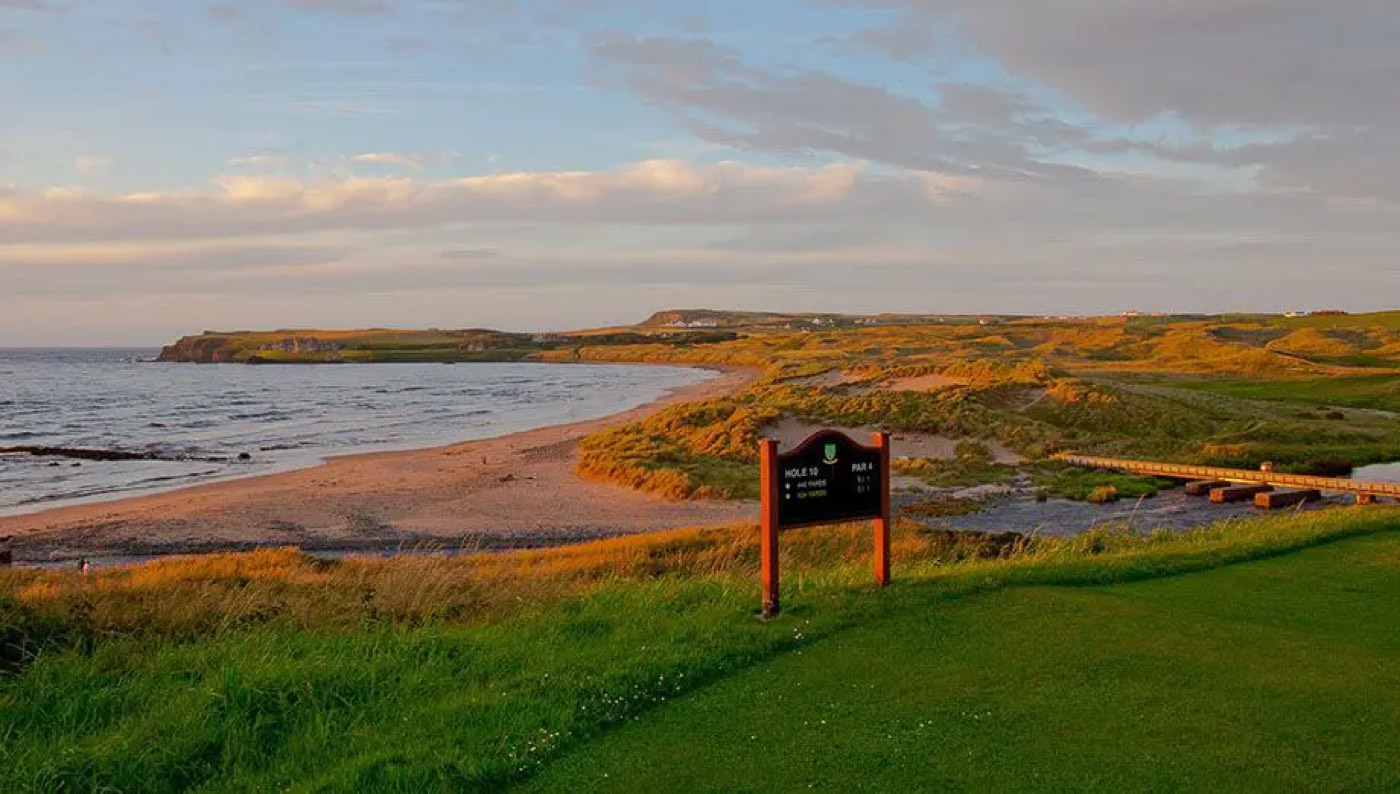
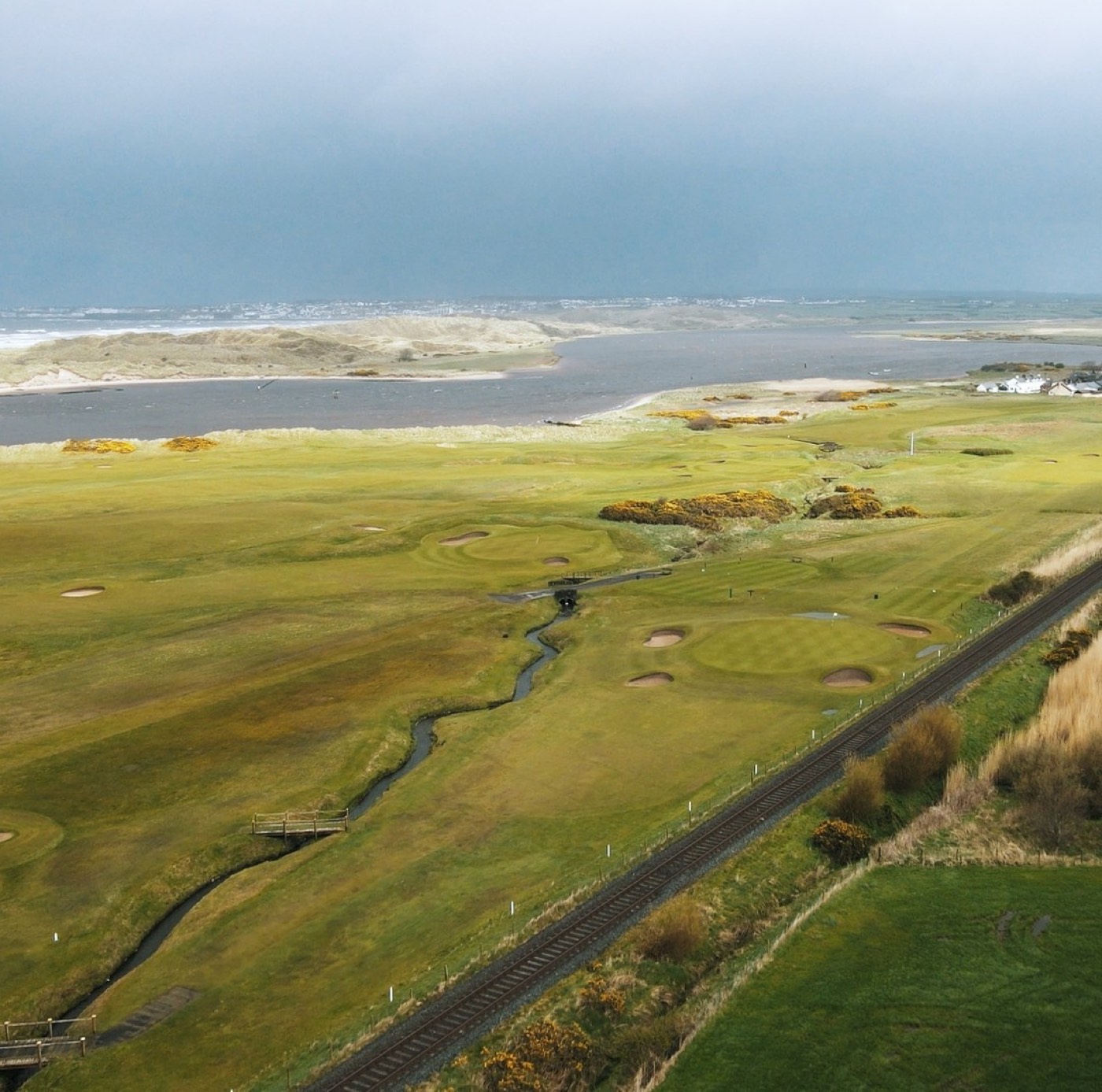
“Links” comes from the Scottish word hlinc — rising ground, or ridge. It refers to a specific kind of coastal land: sandy, dune-covered, too poor for farming, but naturally suited to golf. A real links course sits directly on this land — firm, fast-draining turf, few or no trees, and hazards shaped by nature (dunes, pot bunkers, tall marram grass) rather than a course architect’s imagination.
Where it started
Golf was first played on this kind of coastal common land in Scotland. The Open Championship — the oldest of golf’s four majors — has been played almost exclusively on links courses since it began at Prestwick Golf Club in 1860, and has since visited the game’s most famous links: St Andrews, Royal Birkdale, and Royal Portrush among them.
Why it plays differently
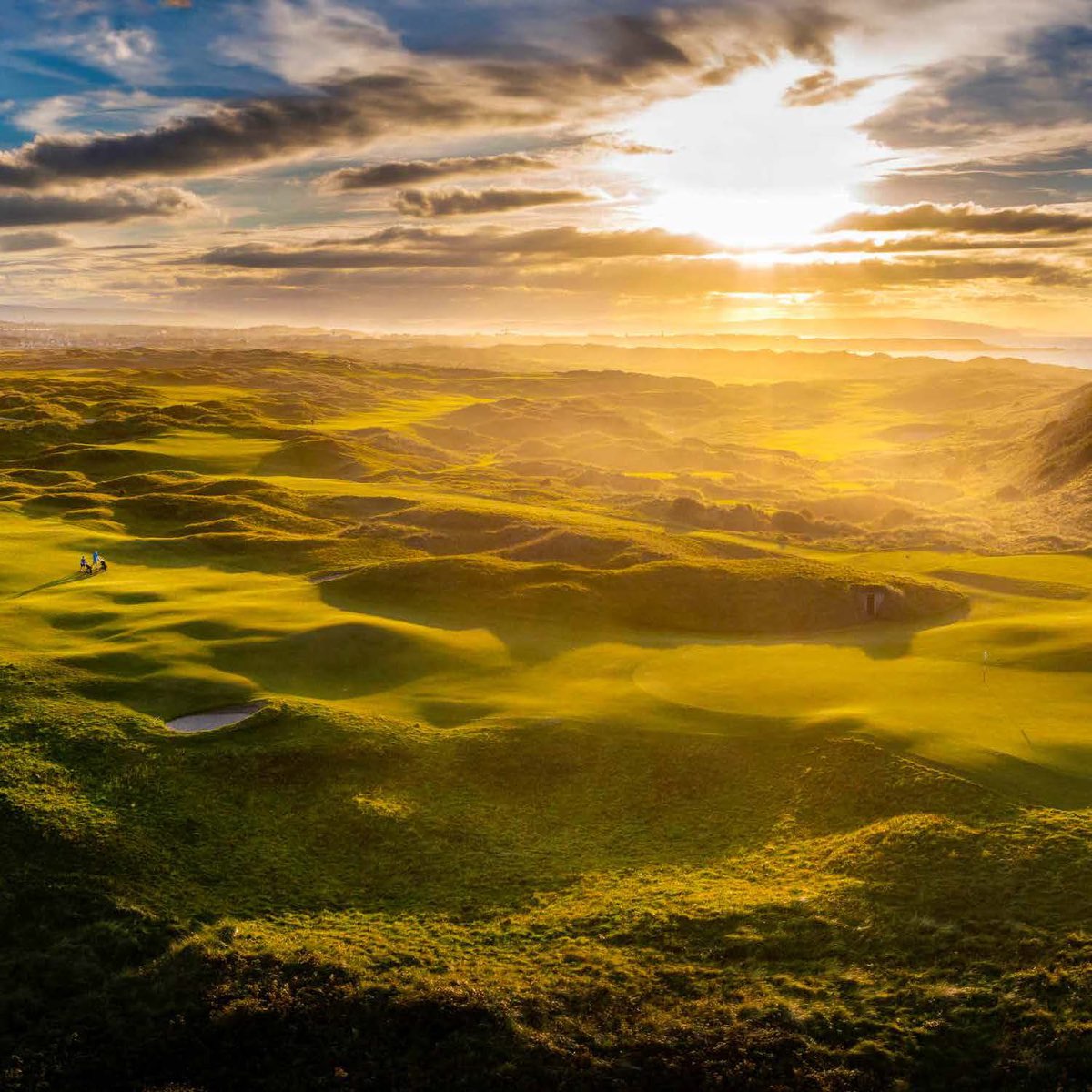
No trees means wind is a constant factor — you’re adjusting shots for direction and speed all day, not just for distance. The ground itself is part of the challenge too: undulating, unpredictable, with bumps and hollows that can send a well-struck ball somewhere you didn’t intend. Because the turf is firm rather than soft, the ball runs much further on landing than on a typical parkland course, which is why the “bump-and-run” — landing the ball short and letting it roll onto the green — is a core links skill rather than a trick shot.
It’s widely considered the toughest, purest test in golf — which is exactly why so many golfers put a links round on their bucket list, and why Royal Portrush hosting The Open in 2019 and 2025 was such a big deal for the sport, not just the town.